
Iran Defies Trump’s Deadline: World on Edge as Strait of Hormuz Crisis Intensifies
Iran Defies Trump’s Deadline: World on Edge as Strait of Hormuz Crisis Intensifies
Written by Irfan Tariq | Editor
Background:
The escalating conflict between Iran, the United States, and Israel has reached a critical turning point in April 2026. What began as a regional military tension has transformed into a major geopolitical crisis with far-reaching global implications. The situation intensified after U.S. President Donald Trump issued a firm ultimatum to Iran, threatening military action if specific demands were not met, putting the region on the brink of a large-scale confrontation.
Deadline and Its Significance:
The United States set a hard deadline of April 7, 2026, at 8:00 PM Eastern Time (April 8, 5:00 AM Pakistan Standard Time) requiring Iran to comply with key demands, including easing tensions around the Strait of Hormuz. Iran’s refusal of these demands has made the deadline a critical flashpoint, escalating the risk of immediate military action and potentially reshaping regional security.
Iran’s Reaction:
Iran responded firmly, stating it would not negotiate under pressure. Iranian leaders emphasized that talks would only be possible if the United States and Israel first halted military operations and provided guarantees against future aggression. Iran also warned that any escalation or attacks would be met with strong retaliation, raising fears of a wider regional war.
US and Trump Strategy:
President Trump’s approach combines maximum pressure with conditional diplomacy. While threatening major strikes targeting Iran’s infrastructure, he has left open the possibility of last-minute negotiations. This “pressure plus deal” strategy seeks to compel Iran into concessions but has also added to global uncertainty and anxiety.
Israel’s Position:
Israel continues a hardline stance, aiming to decisively weaken Iran’s military and nuclear capabilities. Unlike the United States, Israel appears prepared for a prolonged conflict to achieve a decisive outcome. This difference in strategic priorities has created subtle tensions between the two allies, influencing potential future actions.
Pakistan’s Diplomatic Role:
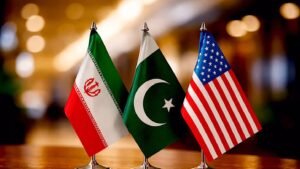
Pakistan has emerged as a key mediator, working to prevent escalation. It has facilitated communication between the United States and Iran, proposed ceasefire options, and requested an extension of the deadline to allow diplomatic channels to operate. Pakistan’s efforts aim to prevent full-scale conflict and maintain peace in the region.
United Nations Statement:
The UN Secretary-General expressed deep concern over escalating tensions and urged all parties to exercise restraint. In an emergency UN Security Council session, members emphasized the urgent need to reopen and secure the Strait of Hormuz, highlighting its critical role in global trade and energy supply. The Council warned that continued closure or conflict in the area could have severe humanitarian and economic consequences worldwide.
Global Impact:
The crisis carries significant global implications. Tensions in the Strait of Hormuz threaten vital oil supplies, potentially disrupting markets and raising global energy prices. The possibility of other regional and global powers becoming involved heightens the risk, making this not only a regional conflict but a matter of international security concern.
Possible Scenarios:
- Major military escalation involving large-scale strikes and retaliation, potentially triggering a wider regional war.
- Extension of the deadline and continued diplomatic negotiations, which is currently the most likely scenario.
- A limited agreement resulting in a temporary ceasefire, though less probable under current conditions.
Final Analysis:
The situation stands at a decisive crossroads. Iran remains defiant, the United States continues to apply pressure, Israel is focused on decisive military objectives, and Pakistan is actively mediating. The United Nations and international actors are pressing for de-escalation and reopening the Strait of Hormuz. The next 24 to 48 hours will be critical in determining whether the region moves toward large-scale conflict or negotiates a peaceful resolution.
